As winter progresses, many plants slow down their metabolism and prepare for dormancy, but this does not mean they can be left completely on their own.
Pests and fungi take advantage of moisture and low temperatures to hide among buds, fallen leaves, bark, or in the soil, ready to resume activity as soon as the weather becomes milder. Ignoring this phase means facing widespread infestations and diseases that are harder to manage in spring.
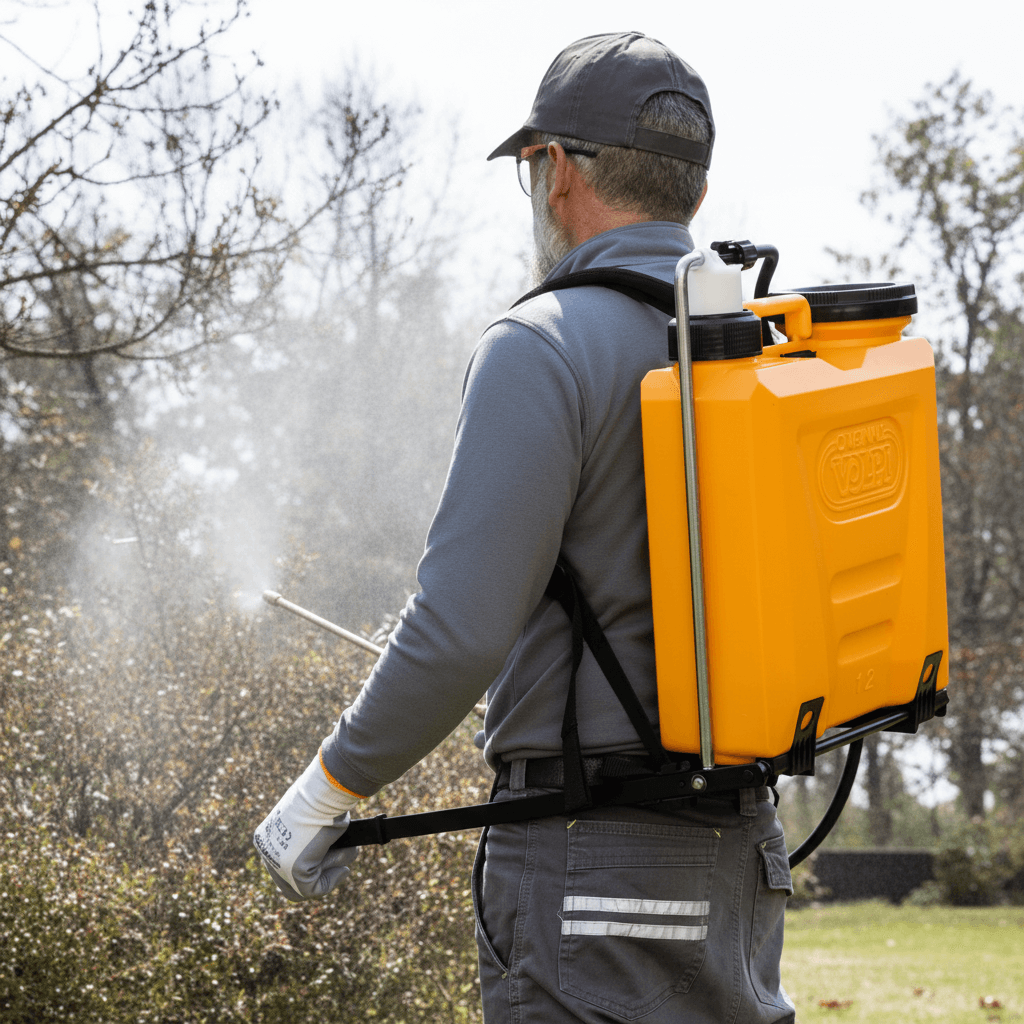
Winter preventive treatments are therefore essential. These are not invasive or stressful interventions for the plants, but a series of targeted measures that protect buds, bark, and soil, reducing pest pressure and preventing fungal proliferation. Application tools, such as sprayers, make it easier to reach even the most hidden parts of the plants, allowing products to be distributed evenly and without waste.
Why Winter Prevention Makes a Difference
Many insects and fungi spend the winter in a dormant state, often invisible at first glance. Aphids, scale insects, mites, and red spiders nestle among buds and bark, while fungi such as powdery mildew, gray mold, monilia, and apple scab find shelter among fallen leaves or under the bark.
Intervening during dormancy allows you to interrupt the life cycle of these organisms, preventing them from becoming a serious problem in spring. Timely treatment means stronger plants, healthy buds, and less need for harsh chemicals when vegetation regains vigor.
Garden Preparation and Plant Observation
Before starting any treatment, it’s important to spend time observing. Cleaning the garden of fallen leaves, dead branches, and pruning residues is more than an aesthetic task: these areas can harbor fungal spores or insect eggs.
Carefully inspecting trees and shrubs helps identify hidden problems. Unusual spots on bark, deformed buds, or dead branches can be early signs of infestations or diseases. With this mental mapping of critical areas, each application becomes more targeted and effective, without wasting product. In this context, tools like sprayers become valuable allies: they allow you to reach high branches, hidden buds, or intricate areas easily and evenly.
Preventive Treatments Against Fungi
Preventing fungal diseases requires thorough coverage of exposed plant surfaces. Copper- and sulfur-based products, diluted according to instructions, are applied to trunks, branches, and buds to create a protective barrier against gray mold, powdery mildew, monilia, and apple scab.
The key to optimal results is attention to detail: spray evenly while avoiding buildup, focusing on the most vulnerable points, and choosing dry, wind-free days. Thanks to sprayers, even the most hidden buds can receive the necessary protection without overwatering the soil or other plants, ensuring the product stays where it’s needed.
Preventive Treatments Against Pests
During winter, many insects remain dormant, often under the bark or among buds. Mineral oils or soft soaps form a thin layer that suffocates insects and their eggs, reducing spring infestations.
Proper application means distributing the product evenly over the most critical woody surfaces. The sprayer facilitates this task, allowing you to reach intricate branches or hidden buds without resorting to strenuous or risky manual interventions.
Soil and Low-Growing Plant Care
Don’t forget the soil and plants close to the ground, as fungi and pests can overwinter there too. Removing organic debris and ensuring good drainage limits stagnant moisture, reducing favorable conditions for fungal growth.
Low-growing plants, such as vegetables or border flowers, benefit from light preventive applications on leaves, creating a barrier against fungal spores and overwintering insects. The sprayer allows precise distribution even in these delicate areas, avoiding liquid accumulation or overwatering.
Timing and Practical Tips
For optimal results, treatments should be carried out on dry days, without risk of frost or strong winds. Personal protective equipment such as gloves, masks, and goggles is always recommended, even with natural products or mineral oil-based solutions.
Recording each application on a calendar helps monitor the plants throughout winter and repeat treatments at the start of spring if needed. This creates a seasonal routine that reduces the risk of oversights and maximizes plant protection.
An Effective Winter Routine
A seasonal routine allows you to organize applications logically and without stress. In December, garden cleaning and the first preventive application on fruit trees and shrubs prepare the plants. January is ideal for targeted applications against dormant insects, while February allows you to check the condition of buds and treat any critical points before the first prunings.
Following this routine, with proper tools like a sprayer, allows even distribution of products, ensuring complete protection and reducing the risk of mistakes.